Learning Outcome 5 & 6
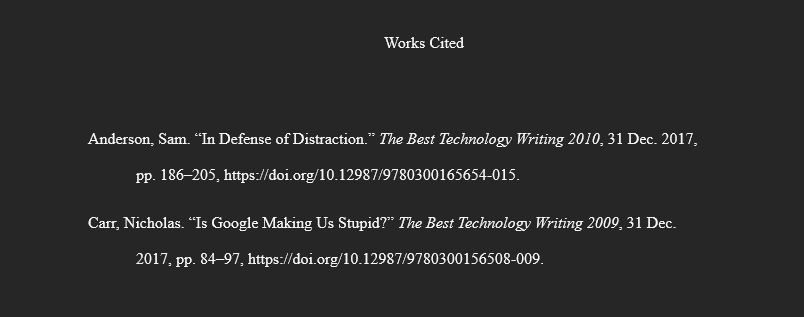
Citing sources, where do I begin. One of the most important, yet misunderstood parts about writing essays. Creating narratives, whether they be non-fiction, fiction, scientific, or without a theme, if you use someone else’s material, you have got to give them the credit for originally posting that information. It just makes sense right? Well, a lot of students still don’t realize that this where so many points of a college assignment can be taken off from. It can be so easy make just a little mistake and miss an in-text cite or forget to add the publisher in the full citation at the end. But without that proper identification, the original authors ideas can become misused and fraudulent. Citing is also a support of claim. It is a provision that evidence can be backed by raw data from multiple viewpoints and researchers. Not to mention, having a decent standard of academic integrity and just saying that this very specific bit of information is from outside your own work should be reason enough. I have written quite a few essays on a lot of different topics during my time in college. There has always been one thing that I will refuse to do and that is create a false citation. I may interpret data slightly different than another person, or I may read a passage and come to a different conclusion on what that person did. But when it comes to using someone else’s data for the benefit of my own, I keep a decently high standard for creating the correct citation and under the appropriate style as well. Provided examples of what an educational MLA formatted citation should look like both after a direct quote of the author and in the Works Cited section.